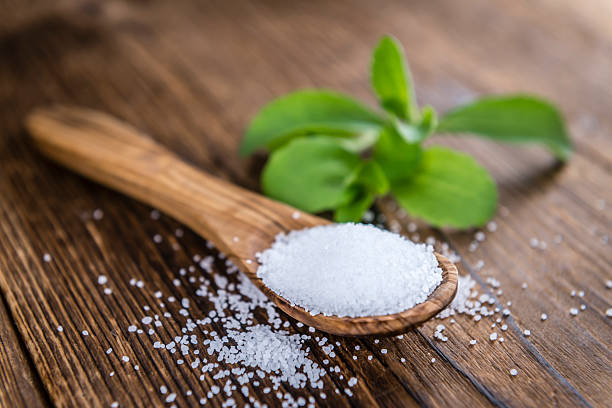
Sugar reduction has become a baseline requirement in modern food manufacturing. Yet stevia — one of the most effective natural sweeteners available — is still widely misunderstood. This guide covers everything a food manufacturer needs to know before sourcing stevia in bulk.
What Is Stevia?
Stevia is a natural, plant-based sweetener extracted from the leaves of Stevia rebaudiana Bertoni, a plant native to Paraguay with over 400 years of traditional use. Today it is commercially cultivated in China, India, Kenya, and Paraguay.

The sweetness comes from compounds called steviol glycosides. These are extracted through a water-based process — leaves are steeped, filtered, purified, and dried into a concentrated white powder. The result is a zero-calorie sweetener that is 200 to 400 times sweeter than cane sugar.
The most common glycosides are:
| Compound | Sweetness vs Sugar | Taste Profile |
|---|---|---|
| Rebaudioside A (Reb-A) | 200–300x | Most common; mild aftertaste |
| Rebaudioside M (Reb-M) | 150–200x | Cleanest taste; closest to sugar |
| Stevioside | 100–150x | Earliest grade; noticeable bitter finish |
For most applications, Reb-A ≥ 95% purity is the industry standard starting point.
Key Functional Properties
Sweetness intensity: At 200–400x the sweetness of sugar, typical use levels are just 0.1%–0.3% of the equivalent sugar weight — making stevia highly cost-efficient in formulation.
Heat & pH stability: Stable below 120°C and across pH 3–9, making it suitable for pasteurization, UHT processing, and acidic beverages.
One important limitation: Stevia does not participate in the Maillard reaction. It will not contribute to browning or caramelization in baked goods. Manufacturers reformulating cookies or cakes need to account for this separately.
Taste curve: Stevia’s sweetness builds more slowly and lingers longer than sugar. At higher concentrations, a bitter aftertaste is noticeable — this is the primary formulation challenge manufacturers need to plan for.
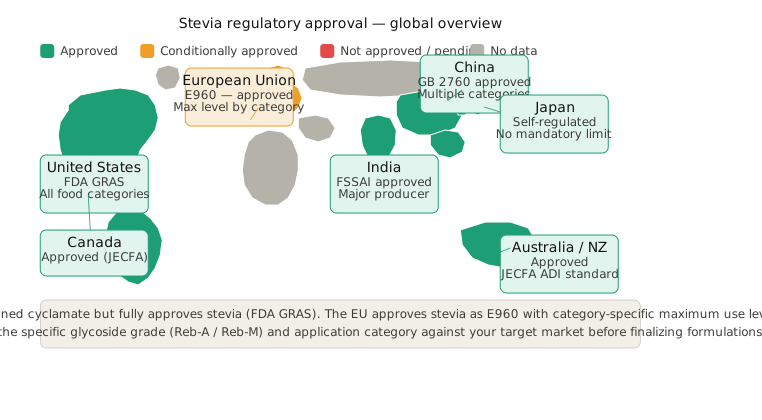
Global Regulatory Status
| Market | Status |
|---|---|
| USA | FDA GRAS — approved for all food categories |
| European Union | E960 — approved with category-specific maximum levels |
| China | GB 2760 — permitted across multiple food categories |
| Japan | Approved; self-regulated, no mandatory upper limit |
| Canada / Australia | Approved under JECFA ADI guidelines |
Stevia is one of the few natural sweeteners with truly global regulatory coverage — a significant advantage for manufacturers exporting to multiple markets. Always confirm the specific glycoside grade against the target market’s approved list, as newer grades like Reb-M may carry different approval dates by region.
Main Applications
Beverages — Stevia’s strongest application. Highly soluble, heat-stable, and pairs well with acesulfame K for a clean, balanced sweetness. Widely used in carbonated drinks, energy drinks, teas, and sports beverages.
Dairy — Performs well in yogurt, plant-based milks, and ice cream. The fat and protein in dairy products naturally mask the aftertaste, allowing Reb-A to work well even without blending partners.
Bakery — Functional but requires adjustment. Stevia provides sweetness but no bulk, browning, or moisture retention. Most bakery applications combine stevia with erythritol or maltitol to restore texture.
Confectionery — Common in sugar-free hard candies, gummies, and chocolate coatings, typically blended with maltitol or erythritol for body.
Solving the Bitter Aftertaste Problem
The most common formulation challenge with stevia is aftertaste — and the most effective solution is blending.
Stevia + Erythritol is the gold standard combination for zero-calorie products. Erythritol provides body and rounds out the taste, while stevia delivers the sweetness intensity. This pairing is the backbone of most clean-label, keto-friendly, and reduced-sugar products on the market today.
Stevia + Acesulfame K is the standard for beverages. Ace-K delivers a fast, clean upfront sweetness that complements stevia’s slower onset and longer finish.
From our formulation experience: switching from Reb-A to Reb-D — while adding a small amount of erythritol — can eliminate aftertaste complaints in beverages without significantly increasing cost. Choosing the right glycoside grade is often more effective than simply reducing the dose.
What to Check Before Placing a Bulk Order
First-time buyers frequently run into the same issues. Here is what to verify before committing to a supplier:
Specify the glycoside grade. “Stevia extract” without a specification could mean Stevioside 80%, Reb-A 95%, or Reb-M 95% — three very different products with different taste profiles and price points. Always state the exact compound and purity in your purchase order.
Test in your actual formula. Solubility, taste, and stability can behave differently in acidic or high-fat systems compared to plain water. Run your trials in the real product matrix before finalizing the grade.
Request third-party documentation. A reliable supplier should provide a Certificate of Analysis (COA) covering purity, heavy metals, pesticide residues, and microbiological standards — from an independent laboratory, not just internal testing.
Confirm certifications for your market. Depending on your product and target market, you may need HALAL, KOSHER, or organic certification. Confirm availability before ordering.
Quick Reference: Stevia Sourcing Checklist
- ☐ Glycoside grade and purity specified (e.g., Reb-A ≥ 95%)
- ☐ Third-party COA requested (heavy metals, pesticide residues, microbiology)
- ☐ Solubility tested in actual product matrix (not just water)
- ☐ Regulatory approval confirmed for all target markets
- ☐ Certifications confirmed (HALAL / KOSHER / Organic as required)
- ☐ Sample tested in finished formulation before bulk order
Final Thoughts
Stevia is one of the most versatile and globally accepted natural sweeteners available to food manufacturers today. With the right glycoside grade, the right blending strategy, and a supplier who can back up their specifications with documentation, it can deliver a genuinely sugar-like experience at zero calories.
If you have specific formulation requirements or need help selecting the right stevia grade for your product, our technical team is happy to assist.