For multinational food and beverage corporate procurement teams, securing alternative sweeteners is an exercise in strict risk management and supply chain engineering. When procuring erythritol at an institutional scale—where shipments are measured in multi-container ocean freight rather than individual pallets—the evaluation metrics shift from basic unit pricing to industrial-scale processing compatibility, strict batch-to-batch chemical uniformity, and continuous processing stability. As a functional four-carbon polyol produced exclusively via large-scale fermentation of hydrolyzed starch, industrial erythritol serves as a primary non-glycemic bulking agent to replace the structural mass of sucrose. However, deploying this crystalline compound into high-speed, automated factory production lines requires a precise alignment between your supplier’s chemical engineering standards and your own localized manufacturing rheology.
Industrial Thermodynamics: Managing Thermal Integrity and the Cooling Effect
From an industrial processing perspective, erythritol introduces specific thermodynamic characteristics that dictate how it behaves in high-volume mixing tanks and baking extruders. Chemically stable up to a melting threshold of 121°C and structurally resilient up to 160°C without thermal degradation, erythritol avoids the Maillard browning and caramelization reactions typical of traditional sugars. This high heat tolerance makes it an excellent candidate for high-temperature short-time (HTST) pasteurization lines and continuous baking ovens. Within liquid systems, it maintains structural integrity across a broad pH matrix from 2 to 12, allowing procurement managers to standardize a single raw material grade for both highly acidic carbonated beverages and neutral dairy formulations.
Crucially, formulators must account for its significant negative heat of solution (approximately -97.4 J/g). When the crystalline compound dissolves, it absorbs significant thermal energy, creating a sharp endothermic cooling effect. While this tactile chilling sensation enhances the refreshing profile of mint-flavored confections and ice beverages, it can alter the sensory profile of dense chocolate matrices or warm baked goods. To counteract this in large-scale formulations without compromising texture, corporate R&D teams typically cross-blend erythritol with low-cooling bulk co-packers like industrial-grade maltitol or sorbitol.
Crystalline Kinetics: Preventing Pipeline Clogging in Automated Production
In high-speed production facilities processing cookies, protein bars, or powdered beverage mixes, the rheological behavior of raw material inputs directly impacts equipment uptime. Erythritol possesses extremely low hygroscopicity, maintaining an almost negligible moisture absorption rate even when ambient factory relative humidity reaches 90%. This structural dryness prevents the raw powder from caking or bridging inside pneumatic conveying systems, silos, and automatic dry-dosing hoppers, ensuring a smooth, uninterrupted gravity feed to the mixing zone.
However, because erythritol exhibits a steep crystallization curve and a maximum room-temperature solubility limit of 37%, high-concentration liquid batches can undergo rapid recrystallization upon cooling. In industrial-scale bakery glazes or confectionery fillings, uncontrolled recrystallization yields a coarse, sandy texture that degrades product quality and can foul inline filtration mesh screens. Corporate formulation strategies mitigate this risk by calculating strict water-activity thresholds and incorporating molecular crystal inhibitors to lock the polyol in a stable amorphous or fine-crystalline state.
Optimizing Cost-in-Use via Advanced Synergistic Formulation Blends
Because erythritol possesses roughly 60% to 70% of the sweetening power of sucrose, a direct weight-for-weight substitution to achieve the same brix equivalent is structurally and financially unviable for high-volume manufacturing. Increasing the physical volume of erythritol to match sucrose sweetness not only risks triggering severe recrystallization and an overpowering cooling effect but also elevates the formulation’s cost-in-use beyond commercially acceptable thresholds. To address this, large-scale manufacturers leverage sweetener synergy by pairing erythritol with trace amounts of high-intensity options.
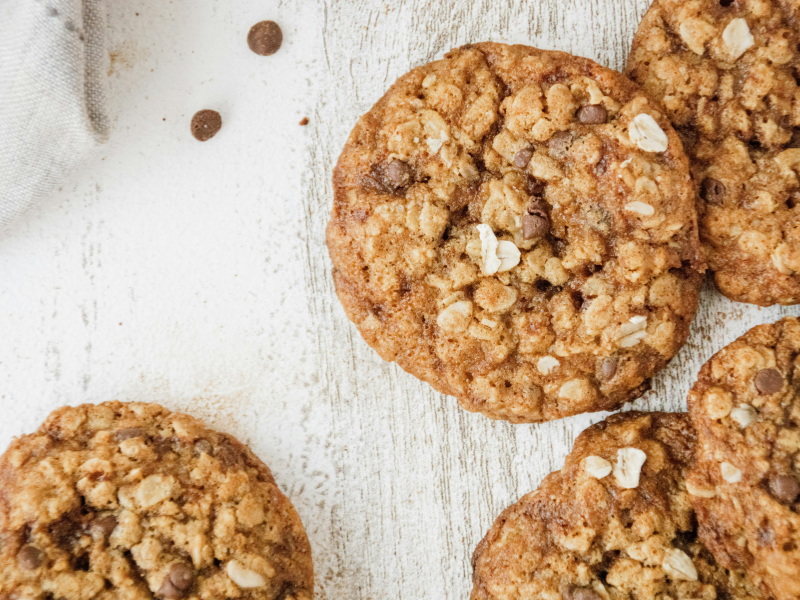
📌 From our supplier experience: A major regional biscuit and snack manufacturer operating continuous automated production lines faced operational bottlenecks when launching a zero-sugar oatmeal cookie line. Their internal technical team attempted a direct, single-ingredient sucrose replacement using raw erythritol, which resulted in highly fragile dough that clogged their rotary molding machinery, produced a dry, overly crumbly crumb structure, and introduced an unwanted icy aftertaste. Furthermore, the massive volume of raw material required caused their per-unit production cost to skyrocket.
Upon consulting with Sunway’s technical application lab, we utilized our proprietary library of 138 mature formulations to re-engineer the product matrix. We reduced the erythritol volume to a level that provided the precise physical bulk and crunch required without triggering the cooling effect or machinery friction. We then restored the targeted sweetness curve by introducing a precise, highly homogenized micro-fraction of Sucralose and Acesulfame-K, using technical fibers to manage moisture binding. This custom-engineered industrial compound successfully eliminated the sandy texturizing defects, restored optimal dough elasticity for high-speed automated molding, and reduced the client’s overall raw material cost-in-use by 22% per batch.
Global Compliance, Metabolic Safety, and Supply Chain Audits
For international food brands exporting across multiple regulatory jurisdictions, compliance verification must be hardcoded into the initial raw material sourcing protocol. Erythritol features an exceptionally clean metabolic profile; its small molecular weight allows it to be rapidly absorbed in the small intestine and excreted unchanged via the renal pathway. This unique metabolic bypass ensures it induces zero glycemic response, making it the premier choice for zero-calorie and diabetic-safe product labeling globally. Under Chinese national standards, it carries a certified energy coefficient of 0 kJ/g, while the US FDA recognizes its caloric value at a minimal 0.2 kcal/g.
From an institutional compliance standpoint, erythritol is recognized with an unrestrictive Acceptable Daily Intake (ADI) status by the JECFA (WHO/FAO) and holds full regulatory clearance under US GRAS and China’s GB 2760-2014 framework. For procurement teams conducting formal corporate vendor audits, verifying that manufacturing facilities hold active FSSC 22000, BRCGS, US FDA Registration, HALAL, and KOSHER certifications is mandatory to guarantee seamless cross-border customs clearance and compliance with international food safety laws.
FCL Logistics Control: Moisture Prevention and Particle Size Standardization
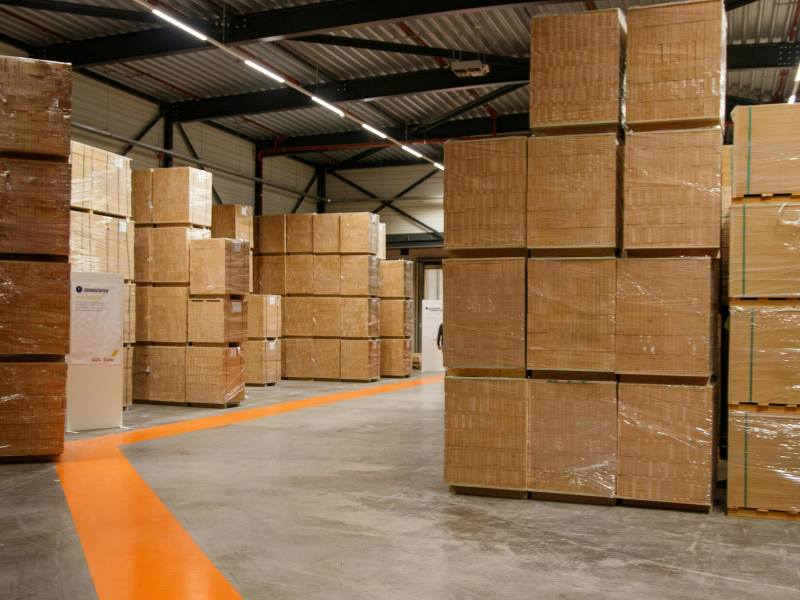
Securing a stable supply chain for automated continuous manufacturing requires strict enforcement of material consistency and logistical integrity. Batch-to-batch variance in particle size distribution (mesh count) can alter dissolution rates in continuous mixing tanks, leading to uneven sweetness dispersion or localized sedimentation. Procurement contracts must mandate that suppliers utilize multi-deck mechanical classification sieves to ensure a perfectly uniform mesh profile across every incoming Full Container Load (FCL).
Furthermore, while erythritol is naturally resistant to atmospheric moisture, the realities of maritime shipping expose large-scale cargo to extreme environmental hazards. Trans-oceanic shipments packed in 20-foot containers (typically standardizing at 20 metric tons per FCL) experience intense temperature fluctuations when crossing varying climate zones, creating internal “container rain.” To prevent compaction, micro-clumping, or bag rupture during extended transit, all industrial-grade shipments must be packed in heavy-duty 25kg multi-wall kraft paper bags utilizing a heat-sealed double-layer PE inner liner. Bags must be machine-palletized, secured with heavy corner boards, and tightly bound in high-gauge stretch wrap to ensure the material arrives completely free-flowing, ready for immediate pneumatic extraction into your factory silos.
Final Thoughts
Successfully executing a high-volume sugar reduction initiative requires moving past commodity-level purchasing and embracing rigorous ingredient specialization. At Sunway, we cater specifically to the demands of large-scale industrial buyers. Supported by our 5 invested manufacturing sites, 2 advanced testing laboratories, and a corporate technical team of 30 senior food engineers, we specialize in delivering high-purity raw materials tailored for high-speed automated production. Whether your facility requires standard 20-60 mesh crystalline erythritol for bulk processing, fine-powdered configurations for specialized coatings, or custom-homogenized synergistic compounds engineered to reduce your overall cost-in-use, Sunway provides the scale, compliance, and technical support your supply chain demands. Contact our commercial sales desk today at Saleskaren@jysunway.com to request official Certificate of Analysis (COA) batches, complete technical data sheets (TDS), or a competitive container-load contract quotation.