
For modern food and beverage manufacturers, transitioning away from sucrose is rarely as simple as substituting it with a single alternative. High-intensity sweeteners like stevia, sucralose, and aspartame deliver immense localized sweetness but frequently introduce off-notes, such as lingering metallic aftertastes, late-onset bitterness, or a distinct lack of mouthfeel. To bridge the sensory gap between alternative sweeteners and cane sugar, formulators rely on the science of synergistic blending. By strategically combining multiple sweeteners and bulking polyols, food brands can mask off-flavors, mimic the exact timeline of sucrose sweetness, and significantly drive down their formulation cost-in-use. This deep-dive technical guide explores the core principles of sweetener synergy, structural masking, and the strategic commercial advantages of advanced blending.
The Mechanics of Synergy: Deconstructing the Sweetness Timeline
Every sweetener possesses a distinct temporal profile, which is the precise timeline of how a flavor molecule interacts with human taste receptors. Sucrose is the universal sensory gold standard because its sweetness hits the palate quickly and dissipates cleanly without a lingering tail. In contrast, artificial and natural sweeteners suffer from skewed temporal profiles. Aspartame and acesulfame K exhibit a rapid upfront spike that vanishes too quickly, while stevia extracts like Rebaudioside A suffer from a delayed onset followed by an exhausting, bitter aftertaste. When combined, however, these ingredients exhibit quantitative synergy, meaning the total sweetness of the blend is greater than the sum of its individual parts. Blending a front-loading sweetener with a back-loading option creates a continuous, harmonious sweetness curve that perfectly mirrors cane sugar, allowing manufacturers to use a lower overall concentration of raw materials to achieve the same brix equivalent.
Balancing Mass and Mouthfeel with Bulk Polyols
High-intensity sweeteners are highly concentrated, often delivering 200 to 600 times the sweetness of sugar. Consequently, replacing 100 kilograms of sucrose in a formulation might require only a few hundred grams of a high-intensity substitute. This creates a critical structural deficit in solid and semi-solid food systems like bakery, dairy, and confectionery, where sugar is responsible for bulk, viscosity, texture, and moisture retention. To resolve this, technical formulators pair high-intensity synergistic blends with bulk polyols such as erythritol, maltitol, or sorbitol. These sugar alcohols provide the missing physical mass and crystalline structure while simultaneously lowering the water activity of the system. Furthermore, bulk polyols contribute a clean, foundational sweetness that effectively rounds out the aggressive, sharp flavor profile of intense sweeteners, establishing a robust mouthfeel that consumers associate with premium, full-sugar products.
Technical Troubleshooting: Eliminating the Bitter Tail of Natural Sweeteners
As clean-label demands accelerate worldwide, food brands are increasingly pressured to utilize plant-based options like stevia and monk fruit. However, creating a 100% natural, zero-sugar beverage that satisfies the mainstream palate is one of the most difficult hurdles in food engineering due to the innate plant-derived bitterness of steviol glycosides.
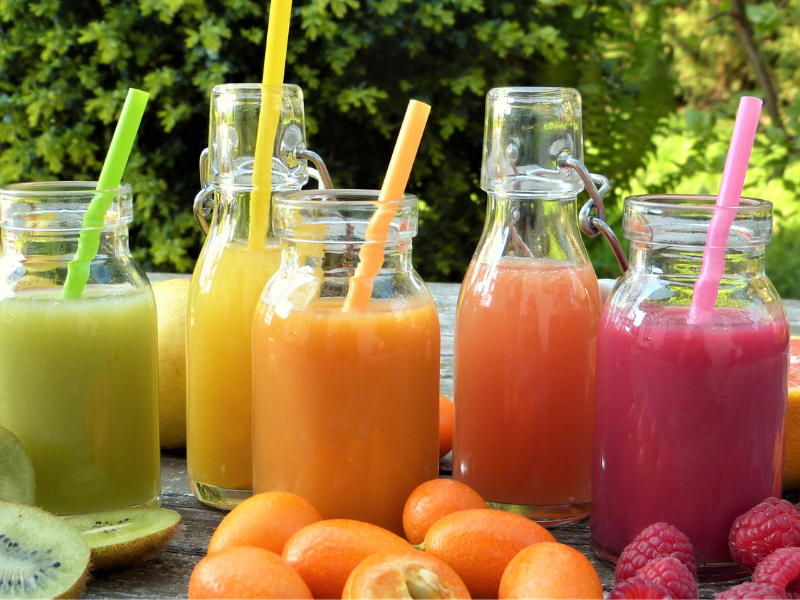
📌 From our supplier experience: A mid-sized beverage brand in Western Europe spent nearly eight months trying to formulate a clean-label, zero-calorie carbonated juice utilizing a generic 97% Reb-A stevia extract. Their production line continually faced consumer complaints because the beverage left a harsh, dry, licorice-like aftertaste that completely overwhelmed the delicate citrus fruit flavors. The client initially assumed they needed a higher purity stevia, which would have destroyed their profit margins. Upon contacting Sunway, our technical team bypassed the generic approach and leveraged our database of 138 mature formulations. In our laboratory, we introduced a synergistic matrix: we blended a highly specific, taste-optimized Stevia Reb-M variant with a precise ratio of Erythritol to mimic the body of sucrose. Crucially, we incorporated a trace fraction of Thaumatin—a natural protein sweetener—which acted as a flavor modulator to block the tongue’s bitterness receptors. The final formulation achieved a flawless, clean sugar finish while slashing the client’s raw material costs by 18% compared to their initial high-purity stevia plan.
Commercial Strategy: The Procurement Logic of Custom Blending
Beyond sensory perfection, custom sweetener blending is a vital tool for supply chain optimization and cost stabilization. Sourcing individual raw ingredients from disconnected trading firms exposes procurement directors to severe market volatility, inconsistent mesh sizes, and unpredictable batch-to-batch variance that can destabilize high-speed automated production lines. Engaging with an integrated manufacturer capable of executing custom, pre-blended solutions offers deep structural advantages. Pre-blended compounds eliminate the risk of micro-measurement errors on the factory floor, reduce raw material inventory footprints, and guarantee that all ingredients are perfectly homogenized at the molecular level prior to entering the mixing tanks. This level of quality control is especially vital for moisture-sensitive components like sorbitol and sucralose, where precise industrial blending prevents localized clumping and maximizes processing efficiency.
Essential Compliance for Global Distribution
When engineering a multi-sweetener blend for international markets, compliance must be integrated at the earliest design stage rather than the export approval stage. Regulatory definitions and maximum permitted levels (MPLs) for sweeteners vary drastically across geopolitical boundaries. For instance, while certain synthetic blends are widely accepted across North America, the European Food Safety Authority (EFSA) enforces rigid restrictions on specific combinations in retail-ready formats. Furthermore, clean-label claims require ironclad verification. Procurement teams must partner with a supplier whose invested manufacturing facilities hold valid FSSC 22000, US FDA Registration, HALAL, and KOSHER certifications. Every custom blend must be accompanied by a rigorous, batch-specific Certificate of Analysis verifying exact ingredient ratios, heavy metal clearances, and precise particle size distributions to ensure absolute safety and smooth customs clearance.
Final Thoughts
Unlocking the full potential of sugar reduction requires moving beyond the mindset of purchasing commodity chemicals and embracing advanced food rheology and sensory engineering. Mitigating off-notes and stabilizing bulk supply lines demands an ingredient partner that provides technical expertise alongside industrial volume. At Sunway, we combine our 5 invested manufacturing sites, 2 advanced laboratories, and a dedicated team of 30 senior food technicians to transform complex technical specifications into highly profitable, award-winning formulations. Whether you are seeking to eliminate the bitter aftertaste of a natural formulation or look to reduce your current formulation costs through a tailored synergistic blend, our engineering desk is ready to assist. Contact our technical sales team today at Saleskaren@jysunway.com to request custom samples, comprehensive stability datasheets, or a competitive bulk quotation.